
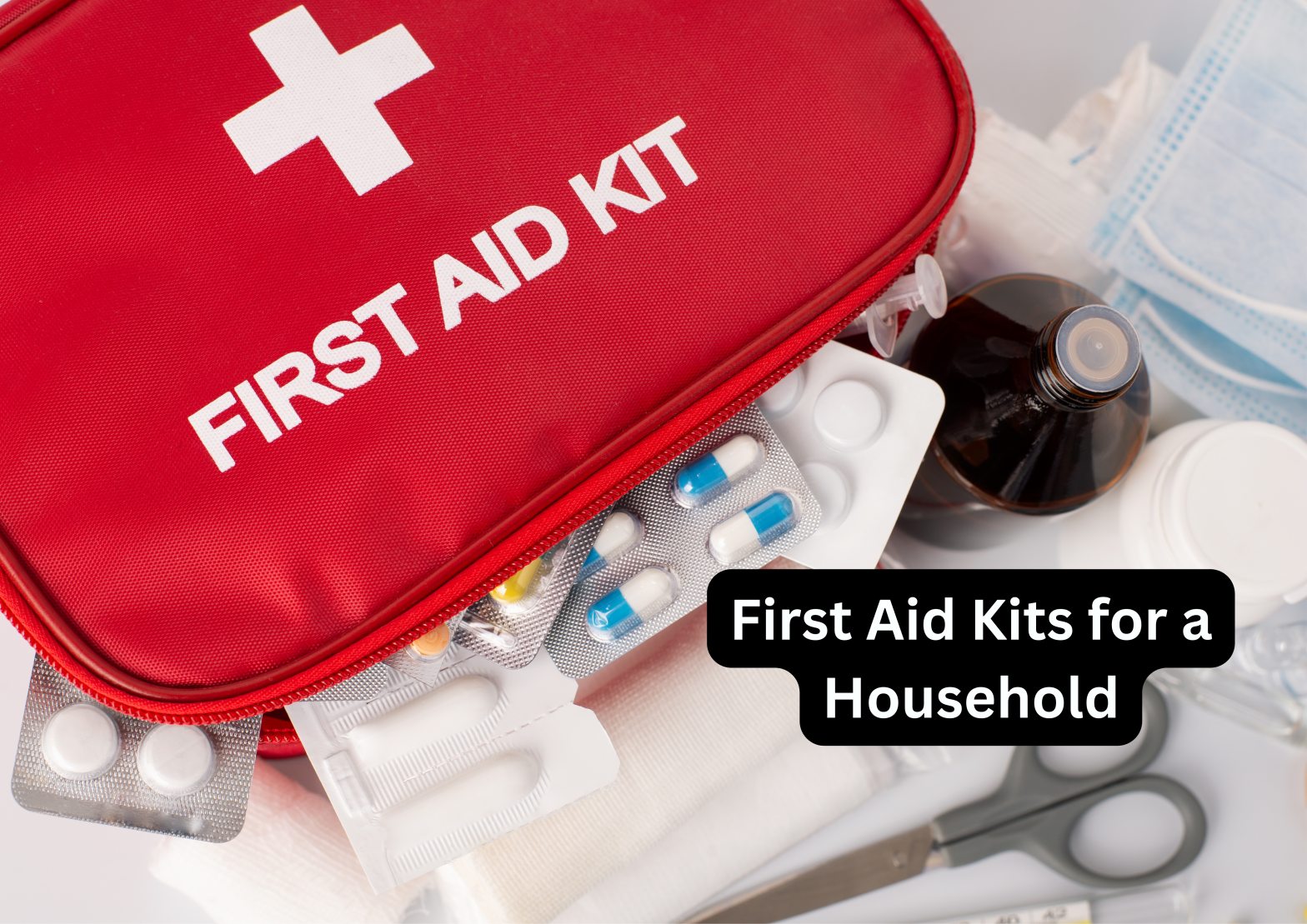
There are several different types of first aid kits available for households, each with its own unique set of contents and purposes. Some common types of first-aid kits include:
- Basic First Aid Kit: These kits typically include essential items for treating minor injuries such as cuts, bruises, and burns. They may include adhesive bandages, gauze, antiseptic wipes, and pain relievers.
- Advanced First Aid Kit: These kits are designed for individuals with more advanced medical training, and may include items such as splints, medical tape, and wound irrigation solutions.
- Travel First Aid Kit: These kits are designed for individuals who are travelling and may include items such as motion sickness medication, sunscreen, and insect repellent.
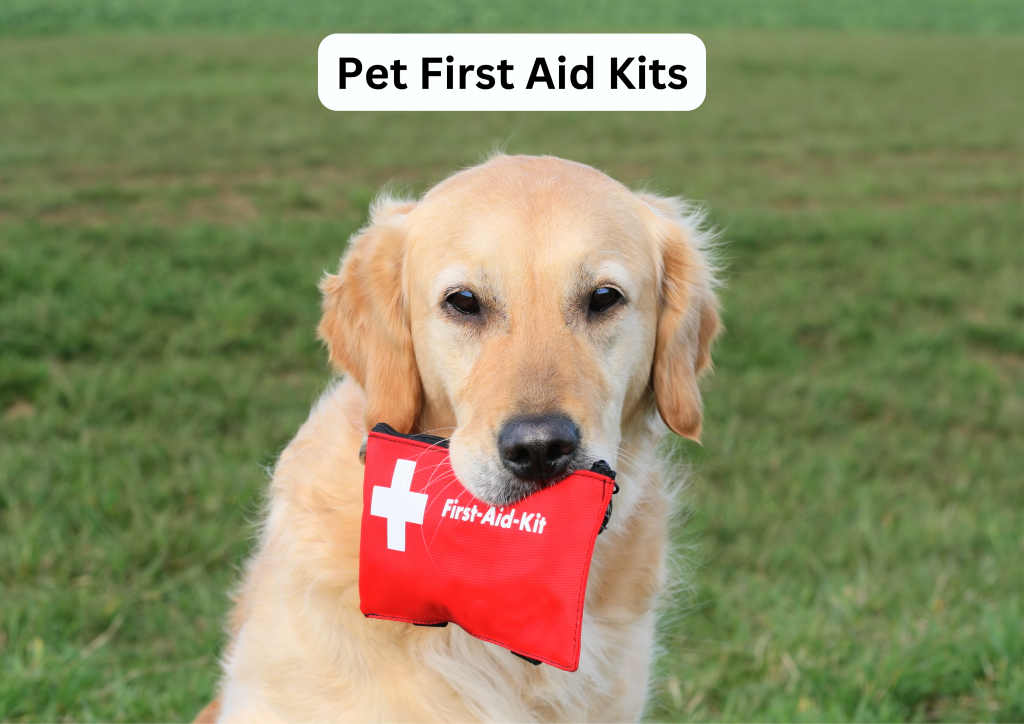
- Pet First Aid Kit: These kits are designed specifically for pet owners and may include items such as pet-safe pain relievers, tweezers, and wound dressing materials.
- Emergency First Aid Kit: These kits are designed for emergency situations, such as natural disasters or power outages. They may include items such as emergency blankets, flashlights, and a battery-powered radio.
It’s important to choose a first aid kit that meets your specific needs and to regularly check and restock your kit to ensure that all items are up-to-date and in good condition.
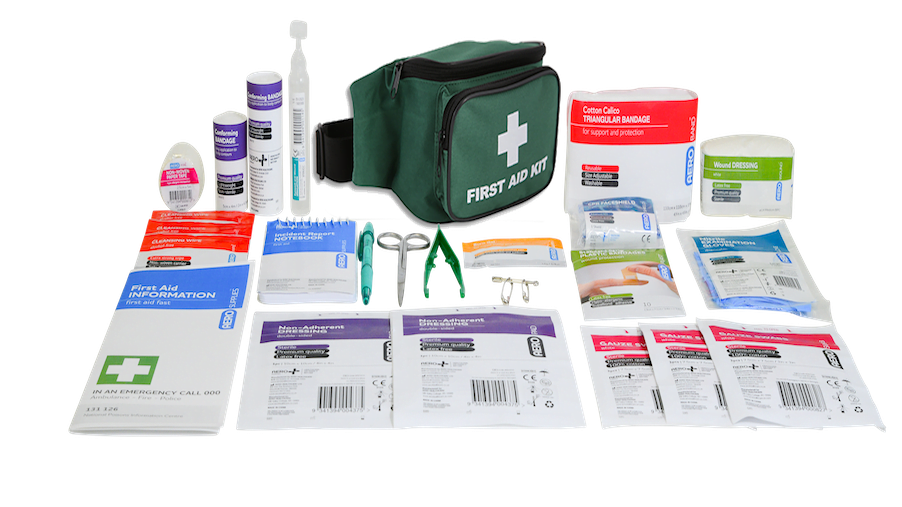 Basic First Aid Kit
Having a basic first aid kit at home is important for several reasons:
Immediate Response: Accidents and injuries can happen unexpectedly, and having a first aid kit at home can help you provide immediate care before medical professionals arrive.
Prevent Infection: A first aid kit contains items such as antiseptics, bandages, and gauze, which can help to prevent infections and other complications from wounds.
Reduce Pain and Discomfort: A basic first aid kit contains over-the-counter pain relievers that can help reduce pain and discomfort caused by minor injuries.
Saves Time: Having a first aid kit at home can help you save time by allowing you to treat minor injuries at home instead of going to the hospital or urgent care centre.
Peace of Mind: Having a first aid kit at home can provide peace of mind knowing that you are prepared to handle minor injuries or emergencies that may occur.
Overall, having a basic first aid kit at home is an important step in being prepared for unexpected injuries and emergencies, and can help you respond quickly and effectively to keep you and your loved ones safe and healthy.
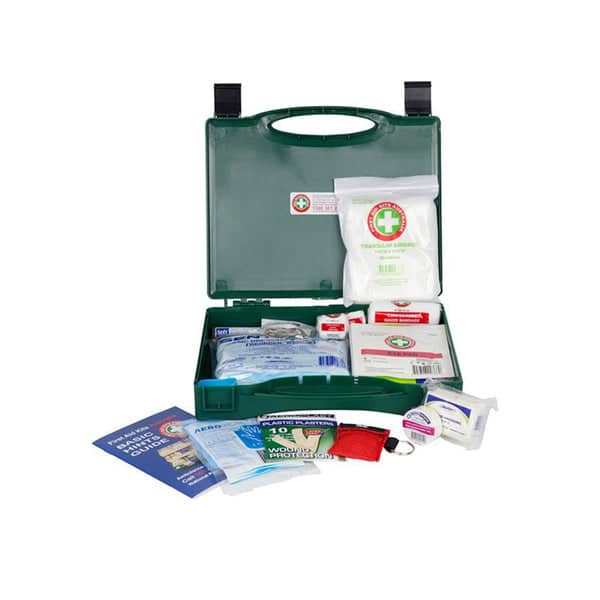 Advanced First Aid Kit
It is important to have an advanced first aid kit because it can provide you with the tools and resources necessary to deal with more serious injuries or medical emergencies that may occur at home or in your community.
An advanced first aid kit typically includes items such as splints, tourniquets, and wound irrigation solutions, which may be needed to treat injuries such as broken bones or severe bleeding. It may also include more specialized items such as a blood pressure cuff or a stethoscope, which can be useful in diagnosing medical conditions.
Having an advanced first aid kit can also be helpful if you or someone in your household has a chronic medical condition that requires specialized care, such as diabetes or asthma. The kit can include items such as insulin, inhalers, or other medications that may be needed in an emergency situation.
Overall, having an advanced first aid kit can give you greater confidence in your ability to respond effectively to a medical emergency, and can help ensure that you have the necessary resources on hand to provide immediate care until professional medical help arrives.
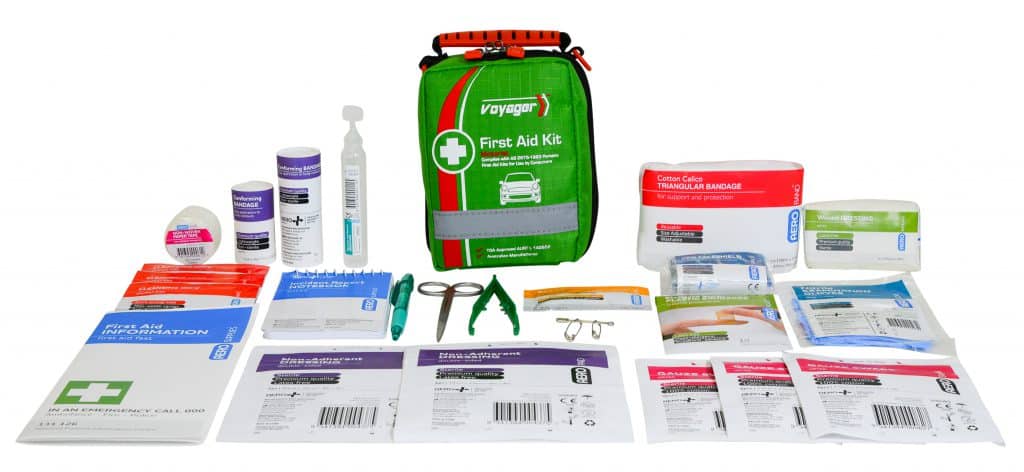 Travel First Aid Kit
It is important to have a first aid kit while travelling because accidents and injuries can happen at any time and in any place. Being away from home and in an unfamiliar environment can increase the risk of accidents, such as falls, cuts, and burns, which can lead to injuries that require immediate medical attention. A first aid kit can provide essential medical supplies and equipment that can be used to treat minor injuries and stabilize more serious ones until professional medical help can be obtained.
When travelling to remote or rural areas, having a first aid kit can be particularly important, as access to medical facilities may be limited. In addition, some destinations may have different medical standards and practices than what you are used to, so having a first aid kit with familiar supplies can be helpful.
Having a first aid kit while travelling can also provide peace of mind and a sense of security, knowing that you are prepared for unexpected situations. It’s important to remember that accidents can happen to anyone, regardless of age, health, or fitness level, so having a well-stocked first aid kit is a wise precaution for any traveller.
 Pet First Aid Kit

It is important to have a pet first aid kit because just like humans, pets can also experience accidents or injuries that require immediate attention. A pet first aid kit is a collection of medical supplies and tools that are designed to help you provide initial care for your pet until you can get them to a veterinarian.
Some common pet injuries that may require first aid include bites, cuts, burns, and broken bones. Having a pet first aid kit readily available can help you quickly address these types of injuries and potentially prevent them from worsening.
In addition to injury treatment, a pet first aid kit may also include items to help manage common health conditions such as allergies, diarrhea, or vomiting. This can help you address these issues in a timely manner and potentially prevent more serious health problems from developing.
Overall, having a pet first aid kit is an important part of responsible pet ownership, as it can help you quickly and effectively address your pet’s health needs in case of an emergency.
 Emergency First Aid Kit
An emergency first aid kit is used to provide basic medical care in the event of an emergency. The contents of a first aid kit can vary depending on the situation and the intended use of the kit, but in general, a basic first aid kit should contain the following items:
1. Adhesive bandages: for minor cuts and scrapes.
2. Sterile gauze pads and medical tape: for wound care.
3. Antiseptic wipes or solution: for cleaning wounds and preventing infection.
4. Disposable gloves: to protect yourself while providing care.
5. Tweezers and scissors: for removing splinters, cutting tape, and other tasks.
6. Pain relievers: such as ibuprofen or acetaminophen.
7. Instant cold compress: for swelling or pain relief.
8. Oral thermometer: for taking a person’s temperature.
9. CPR mask or face shield: for resuscitation.
In addition to the above items, an emergency first aid kit may also contain other items such as a flashlight, emergency whistle, and blanket.
To use an emergency first aid kit, it’s important to follow these basic steps:
1. Assess the situation: determine the extent of the injury or illness and whether professional medical help is needed.
2. Call for help if necessary: if the situation requires immediate medical attention, call 911 or your local emergency services.
3. Use the first aid kit: If the injury or illness is minor and can be treated at home, use the contents of the first aid kit to provide basic medical care.
4. Monitor the person: Keep an eye on the person’s condition and seek further medical attention if necessary.
It’s important to note that a first aid kit is not a substitute for professional medical care. In cases of serious injury or illness, seek professional medical attention immediately.
My Medici has a great range of different types of first aid kits to suit all needs. Come take a look at the range available.
The Companion 2
Snake Bite Kit
Car Kit
Household Kit